
SSC is unstoppable | X3 July 2026 Recap
July 27, 2026
-
EVENTS
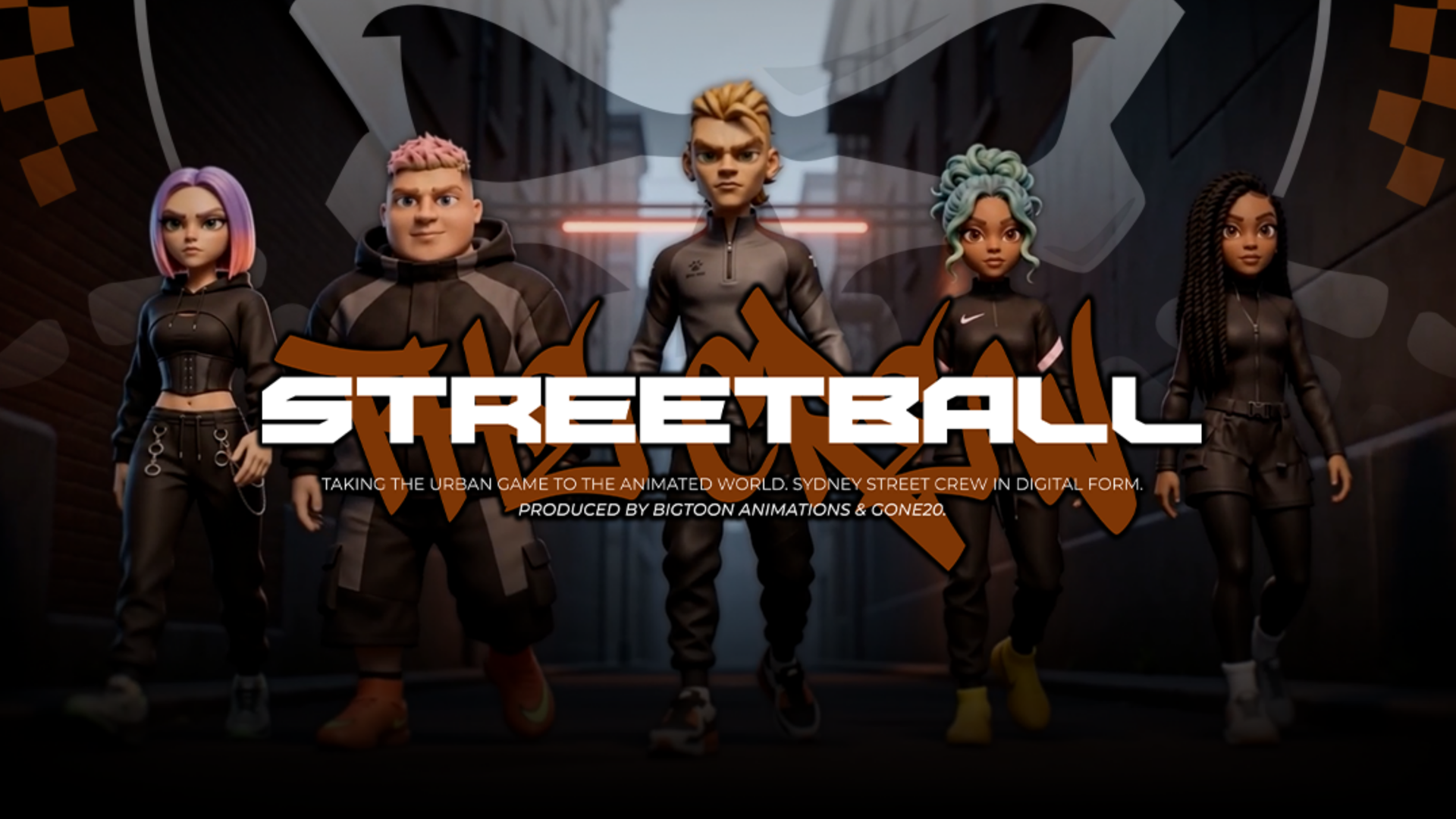
Streetball was built on this understanding before the first frame of animation was completed. The animated series follows Slavi and Sydney Street Crew through an underground street football scene that is equal parts competition and survival. The characters are not just athletes. They are people whose lives depend on what happens on the court. That is not creative licence. That is documentary.
Street football is full of Sarah Rhinds. Every community has them. People who found the sport at the moment they needed something to find. People whose relationship with the game is not recreational but existential. The traditional sports media does not cover these stories because they do not fit the format. Highlights packages need goals. Redemption needs time.
An animated series can take the time. Streetball follows characters like Slavi, Sayge, and Sierra through a world where street football is not a hobby or a charity programme but a way of surviving. The fictional Sydney Street Crew faces crews like Zone Zero and the Void Vultures not for prize money but for something bigger: legitimacy, territory, identity. The same things Sarah Rhind was fighting for when she walked into her first recovery session.
The gap between the recovery story and the animated series is smaller than it looks. Both are about transformation. Both are about people who found in street football something that the rest of the world did not offer them. Both deserve to be told.
The FIFA World Cup 2026 is generating attention for street soccer in ways that charity interviews cannot sustain. Helfrich from Street Soccer USA is making the rounds. Sunset Beach FC hosted a street football match during the tournament. The attention is real, but it is also temporary. World Cups end. Media cycles move on.
An animated series does not move on. Season 1 of Streetball is in development for 2027. The pilot trailer is complete. The characters are designed. The world is built. When the World Cup spotlight fades, Streetball will still be there, telling the stories that the highlights packages never covered.
Sarah Rhind's story will not trend. It will not get a Netflix deal. It will not be picked up by a major sports network. It will resonate with the people who already understand what she is saying: that football is not something you do. It is something that saves you.
That is the story Streetball exists to tell. Not the scores. Not the rankings. The thing underneath the game that makes people keep playing it long after the scoreboard stops mattering. The World Cup will bring attention to street football for a few months. Streetball will still be telling the real stories years after the trophy has been lifted and the cameras have gone home.
Tomislav Bazdaric is the founder of the Gone20 Ecosystem. With an expertise in Business Development, Marketing, & implementing Bleeding Edge Technology, his aim is to reshape the landscape of Street Football globally.
Streetball was built on this understanding before the first frame of animation was completed. The animated series follows Slavi and Sydney Street Crew through an underground street football scene that is equal parts competition and survival. The characters are not just athletes. They are people whose lives depend on what happens on the court. That is not creative licence. That is documentary.
Street football is full of Sarah Rhinds. Every community has them. People who found the sport at the moment they needed something to find. People whose relationship with the game is not recreational but existential. The traditional sports media does not cover these stories because they do not fit the format. Highlights packages need goals. Redemption needs time.
An animated series can take the time. Streetball follows characters like Slavi, Sayge, and Sierra through a world where street football is not a hobby or a charity programme but a way of surviving. The fictional Sydney Street Crew faces crews like Zone Zero and the Void Vultures not for prize money but for something bigger: legitimacy, territory, identity. The same things Sarah Rhind was fighting for when she walked into her first recovery session.
The gap between the recovery story and the animated series is smaller than it looks. Both are about transformation. Both are about people who found in street football something that the rest of the world did not offer them. Both deserve to be told.
The FIFA World Cup 2026 is generating attention for street soccer in ways that charity interviews cannot sustain. Helfrich from Street Soccer USA is making the rounds. Sunset Beach FC hosted a street football match during the tournament. The attention is real, but it is also temporary. World Cups end. Media cycles move on.
An animated series does not move on. Season 1 of Streetball is in development for 2027. The pilot trailer is complete. The characters are designed. The world is built. When the World Cup spotlight fades, Streetball will still be there, telling the stories that the highlights packages never covered.
Sarah Rhind's story will not trend. It will not get a Netflix deal. It will not be picked up by a major sports network. It will resonate with the people who already understand what she is saying: that football is not something you do. It is something that saves you.
That is the story Streetball exists to tell. Not the scores. Not the rankings. The thing underneath the game that makes people keep playing it long after the scoreboard stops mattering. The World Cup will bring attention to street football for a few months. Streetball will still be telling the real stories years after the trophy has been lifted and the cameras have gone home.
Tomislav Bazdaric is the founder of the Gone20 Ecosystem. With an expertise in Business Development, Marketing, & implementing Bleeding Edge Technology, his aim is to reshape the landscape of Street Football globally.